
The Tier Advantage: 10 High-Impact Businesses Poised to Thrive Across India’s Tier 1, 2 & 3 Cities in 2026 and Beyond
Updated: Sep 3
India’s economic story in 2026 is no longer written only in its metros. While Tier 1 cities like Mumbai, Bengaluru, Delhi-NCR, and Hyderabad continue to lead in scale and innovation, Tier 2 cities (Jaipur, Indore, Coimbatore, Lucknow, Kochi) and Tier 3 towns (Nashik, Jodhpur, Tirupati, Bhiwandi, and hundreds like them) are emerging as the real growth engines. Lower operational costs, rising aspirations, improving digital infrastructure, government schemes, and shifting consumer behaviour are creating fertile ground for smart entrepreneurs.

The businesses that will win are those that solve real, everyday problems with scalability, leverage policy tailwinds (PM Surya Ghar, PM E-DRIVE, Skill India, waste management rules), and adapt across city tiers — premium versions in Tier 1, accessible franchise or hub-and-spoke models in Tier 2, and community-rooted, low-competition plays in Tier 3.
Lets see the Top 10 future-ready businesses for 2026, & understand why they can or will work, ideal founder profiles, and realistic investment ranges (in ₹ Lakhs).
Note: These figures are indicative and vary by scale, location, and model (independent vs franchise). Always validate with local market research and consultants.
1. Rooftop Solar Installation & EPC Services

Why it will work: India’s rooftop solar capacity is surging under PM Surya Ghar Muft Bijli Yojana (up to ₹78,000 subsidy for 3 kW+ systems). Residential, commercial, and agri-pump demand is exploding in Tier 2/3 cities where grid reliability is still an issue and electricity bills hurt. Tier 1 offers large C&I projects; Tier 2/3 offers volume in housing societies and farms.
Who should do it: Electrical engineers, contractors, or those with strong local networks and trust. Sales + technical execution skills are critical.
Basic Investment: ₹8–25 Lakhs (tools, MNRE certification, vehicle, marketing, working capital). Many start lean by becoming channel partners. Subsidies and net-metering make payback attractive for clients (and recurring service revenue for you). ROI: 18–30 months.
Key Insight: Become the trusted local expert who handles paperwork and subsidies — that’s your moat.
2. Cloud Kitchen / Virtual Restaurant Brands

Why it will work: India’s cloud kitchen market is projected to grow at 12–16% CAGR. Tier 2 and 3 cities are the new battlegrounds — lower rents, growing delivery culture, and fewer dine-out options. Multi-brand commissary models work especially well here.
Who should do it: Chefs, hospitality professionals, or food entrepreneurs with strong recipe execution and operations discipline. Those who understand Swiggy/Zomato/ONDC dynamics.
Basic Investment: ₹3–12 Lakhs (basic single-brand setup in Tier 3; ₹15–40 Lakhs for commissary kitchen in Tier 2). Lower than full restaurants. Profit margins 25–40% possible with tight operations.
Key Insight: Start with 1–2 focused cuisines that solve local cravings (healthy meals, regional comfort food) and expand brands once you hit consistent orders.
3. Elder Care & Home Healthcare Services

Why it will work: India’s 60+ population is rising rapidly; nuclear families and working children create massive unmet demand for home nursing, companionship, physiotherapy, and assisted living. Tier 1 needs premium organised players; Tier 2/3 needs affordable, trustworthy local services. Home healthcare is still ~90% unorganised — huge room for professional players.
Who should do it: Nurses, healthcare professionals, or empathetic entrepreneurs with strong caregiver training and background verification systems.
Basic Investment: ₹8–25 Lakhs (staff recruitment/training, vehicles, medical equipment, marketing, insurance). Franchise/assisted living models higher. Recurring revenue model with high retention.
Key Insight: Trust and trained caregivers are everything. Start with home care and layer on equipment rental or tele-consult tie-ups.
4. EV Charging Stations & Two/Three-Wheeler Service Hubs
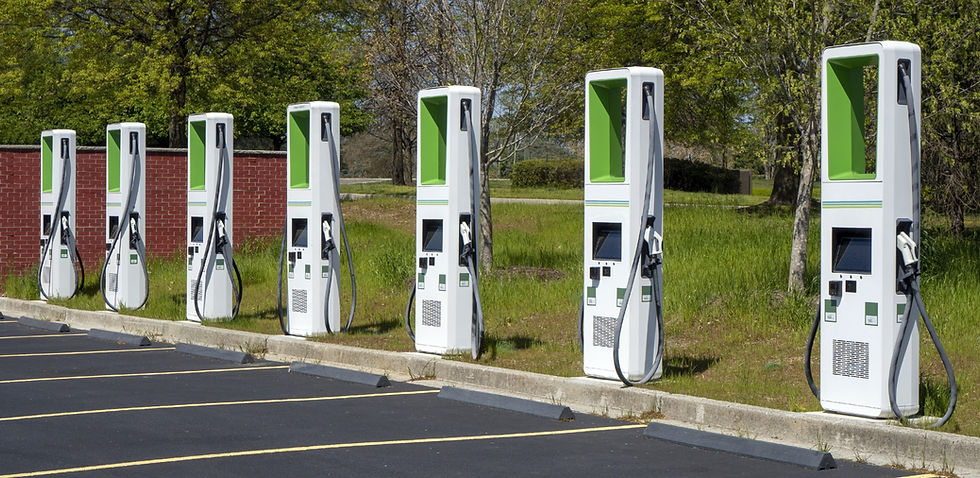
Why it will work: EV adoption (especially two- and three-wheelers) is accelerating in Tier 2/3 cities due to lower running costs and government push (PM E-DRIVE scheme). Charging + service is a natural combo. Small AC chargers or battery swapping points work well in smaller towns.
Who should do it: Entrepreneurs with real estate access (petrol pumps, parking lots, commercial spaces), mechanical/electrical background, or those partnering with OEMs/franchises.
Basic Investment: ₹10–35 Lakhs for a small 2–4 charger station (subsidies can reduce effective outlay significantly — sometimes to ₹2–10 Lakhs). Larger hubs higher. Service workshop adds steady revenue.
Key Insight: Location + reliability + fast service = winner. Combine charging with EV repair and accessories for better unit economics.
5. Modern Laundry & Dry Cleaning Services (Franchise or Independent)

Why it will work: Rising middle class, working professionals, and students in Tier 2/3 cities want convenience. Organised players with pickup-drop, app tracking, and quality are still rare outside metros. High repeat business and 60–70% gross margins possible.
Who should do it: Service-oriented entrepreneurs comfortable with operations, quality control, and local marketing. Franchise route lowers risk for first-timers.
Basic Investment: ₹7–25 Lakhs (franchise models popular; includes machines, setup, software, branding). Independent setup possible at lower end in Tier 3. Break-even often 8–18 months.
Key Insight: Pickup-drop + subscription plans for hostels/PGs/offices create sticky revenue.
6. Vocational Skill Development & Training Centers

Why it will work: Skill India push + massive youth demographic + industry demand for job-ready talent in logistics, healthcare, EV repair, digital skills, beauty, etc. Tier 2/3 cities have lower competition and strong local employer tie-ups possible. Hybrid (offline + online) models scale well.
Who should do it: Trainers, educators, or domain experts (ex-bankers for BFSI skills, mechanics for EV, etc.) with good affiliation/networking ability (NSDC, state skill missions).
Basic Investment: ₹2–10 Lakhs (rent, computers/lab setup, marketing, affiliation fees). Lower in Tier 3. Government schemes and corporate tie-ups can subsidise training costs.
Key Insight: Focus on placement outcomes and industry certifications — that’s what students and parents pay for.
7. E-Waste Recycling & Responsible Disposal

Why it will work: E-waste rules are tightening; corporates and households need compliant disposal. Tier 1 generates volume; Tier 2/3 are underserved. Refurbishment + material recovery creates multiple revenue streams.
Who should do it: Entrepreneurs with environmental compliance knowledge, technical/process understanding, or those partnering with authorised recyclers. Strong B2B sales ability.
Basic Investment: ₹20–60 Lakhs for small-scale collection + dismantling/processing unit (higher for full plant). Start with collection + tie-up model at lower investment.
Key Insight: Compliance (CPCB/SPCB authorisation) is non-negotiable and your biggest moat.
8. Co-working & Managed Office Spaces (Tier 2 Focus)

Why it will work: Hybrid work, startups, freelancers, and branch offices of companies are moving to Tier 2 cities for lower costs and better quality of life. Flexible, well-managed spaces with high-speed internet and community are still scarce.
Who should do it: Real estate-aware entrepreneurs or those with hospitality/operations experience. Community building skills matter.
Basic Investment: ₹25–80+ Lakhs depending on size and fit-out (Tier 2 cities much cheaper than Tier 1). Start with smaller managed offices or plug-and-play desks.
Key Insight: Focus on community events, reliable internet/power backup, and flexible plans — not just four walls.
9. Organic / Farm-to-Table Grocery & Healthy Food Delivery

Why it will work: Health consciousness is rising across tiers. Tier 1 wants premium certified organics; Tier 2/3 wants trusted local/seasonal produce with home delivery. FPO linkages and direct farmer sourcing create strong margins and impact story.
Who should do it: Agri-background entrepreneurs, those with strong local sourcing networks, or passionate about clean food. Operations + cold
chain/logistics focus essential.
Basic Investment: ₹8–20 Lakhs (sourcing network, packaging, delivery fleet/app, cold storage). Start hyper-local in Tier 3 and expand.
Key Insight: Storytelling + consistent quality + subscription model builds loyalty fast.
10. On-Demand Multi-Home Services (Repairs, Cleaning, Maintenance)

Why it will work: Urban and semi-urban homes need reliable plumbers, electricians, appliance repair, and cleaning. Unorganised sector dominates — professional, trained, app-enabled or call-centre backed service wins on trust and speed. Works across all tiers.
Who should do it: Service operations experts or those who can build and train a reliable technician network. Strong customer service orientation.
Basic Investment: ₹5–15 Lakhs (marketing, uniform/kit for technicians, basic CRM/app, training). Franchise models available. High repeat and referral potential.
Key Insight: Technician training, background checks, and guaranteed response time are your differentiators.
Thoughts: How to Choose and Execute
The best business for you depends on your city tier, capital, skills, and risk appetite. Tier 3 offers lower competition and costs but requires deeper community trust. Tier 2 is often the “sweet spot” for scaling. Tier 1 rewards execution excellence and technology leverage.
Common success factors across all:
Deep local understanding + strong execution
Leveraging government schemes and subsidies
Focusing on trust, quality, and recurring revenue
Starting lean and validating demand before heavy investment
India’s tiered cities are not just markets — they are ecosystems ready for builders who combine purpose with profit. The next decade belongs to those who serve Bharat while building scalable, professional organizations.
Which of these resonates with your skills, capital, and city? Drop your Tier and background in the comments — I’d love to help refine the idea further.
To purchase books and other materials on the topic-
Amazon- https://link.amazon/B0hq0mV9q
Subscribe didoskeletonthoughts@gmail.com for newsletters and latest updates.
Disclaimer: Please be aware that this article was generated with the assistance of AI. It may contain affiliate links, meaning if you make a purchase through these links, the site may earn a small commission at no extra cost to you. The product recommendations provided are based on the information available at the time of generation and should be considered suggestions. It is crucial to conduct your own thorough research, read reviews, and compare products from various sources before making any purchasing decisions. Your individual needs and circumstances may vary, and the recommendations in this article may not be suitable for everyone. Exercise caution and make informed choices when buying products.
Affiliate Links Disclaimer: This article may contain affiliate links, through which I may earn a commission from purchases. Clicking on these links won't affect your experience or the content's integrity. Your support through these links is appreciated and helps sustain the quality of the service. Please review the terms and conditions before making purchases.


Comments